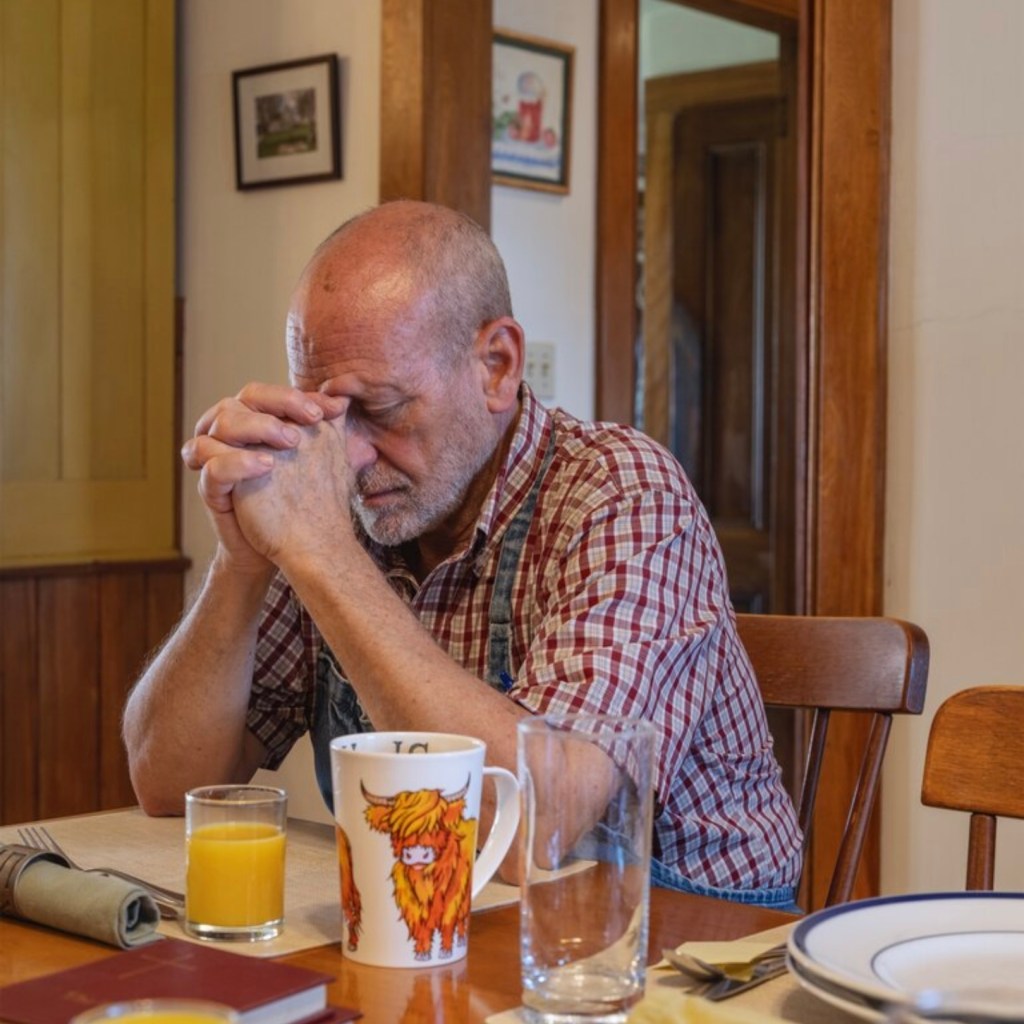
Jordan Kisner recently wrote a fascinating article in the New York Times about the last two remaining Shakers.
The Shakers began in 1774 with Ann Lee who led a group of English refugees across the Atlantic. Lee believed God was both male and female, sacrifice was at the core of one’s spiritual life, in particular sacrificing for the common good. She believed in celibacy, that males and females were equal, and in pacifism. Black Americans joined her movement as early as 1790 and Shaker communities purchased freedom for slaves. At their height, Shakers had approximately 5,000 members. Today, they are mostly known for their simple and elegant furniture.
Kisner interviewed Brother Arnold, 67, and Sister June, 86. They live in what Kisner calls a “magnificent brick building designed to sleep about 70 – the dwelling house of the last active Shaker village in the world, at Sabbathday Lake in Maine.”
Kisner relates how she asked Brother Arnold, “What makes a good Shaker?” She writes, “He was in the recliner in the corner of the kitchen, looking at his phone. He told me about the willingness to labor, both physically and spiritually, in perpetuity. This is what it takes. Not everyone can do this work knowing that they might never see the fruits of their labor. ‘The idea that we need to see results in our lifetimes — that’s not how the Shakers actually teach us to think about those types of achievements,’ said Brother Arnold.”
To work on something where you “might never see the fruits of one’s labor” is a fascinating idea. The simplest way we might imagine how this looks is with great-grandchildren. But outside of family, it an intriguing question to ask if we have a Shaker project in our life? Work that we commit to, sacrifice for, with a timeline beyond our own?
——
If you know someone who might like to receive a daily email of On Emotions CLICK HERE.
To download or share a free copy of my new book How to Feel (a little better): 50 Ideas for 2024 CLICK HERE.
 On Emotions