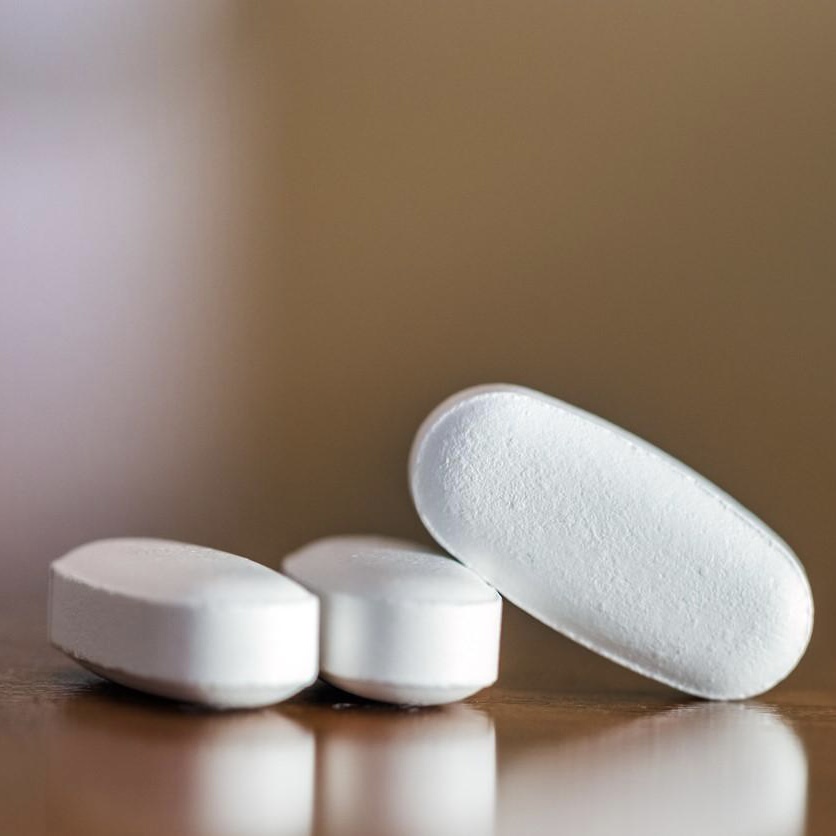
You may have heard of our susceptibility to being influenced by a placebo. Meaning, if I tell you a pill will make you feel better, but it is really only a sugar pull, more than likely it will still work.
Researchers discovered the reason we can be fooled by a disguised sugar pill (that has no medical value) is because what our brains believe to be real and expect to happen influences our physical and mental health.
Equally fascinating is the inverse is true.
In her book on placebos Kathryn T. Hall writes, “Negative verbal suggestion… create negative expectations that are accompanied by neurological changes that can increase the experience of [negative] symptoms. This phenomenon, termed the nocebo effect, is the antithesis of the placebo effect.
Derived from the Latin nocere, ‘to harm,’ Walter Kennedy coined the term nocebo in 1961 to describe the impact that negative suggestions or information can have on clinical outcomes.”
Which means we have a choice: we can offer ourselves and others through our words and actions effectively either a placebo or nocebo, recognizing our brains react to what we think is real and what we expect will happen.
——-
If you have been forwarded this email and like to join a community of people pondering how to feel better you can subscribe and receive a daily email here. If you would like to get in touch please email us at info@on-emotions.com.
 On Emotions