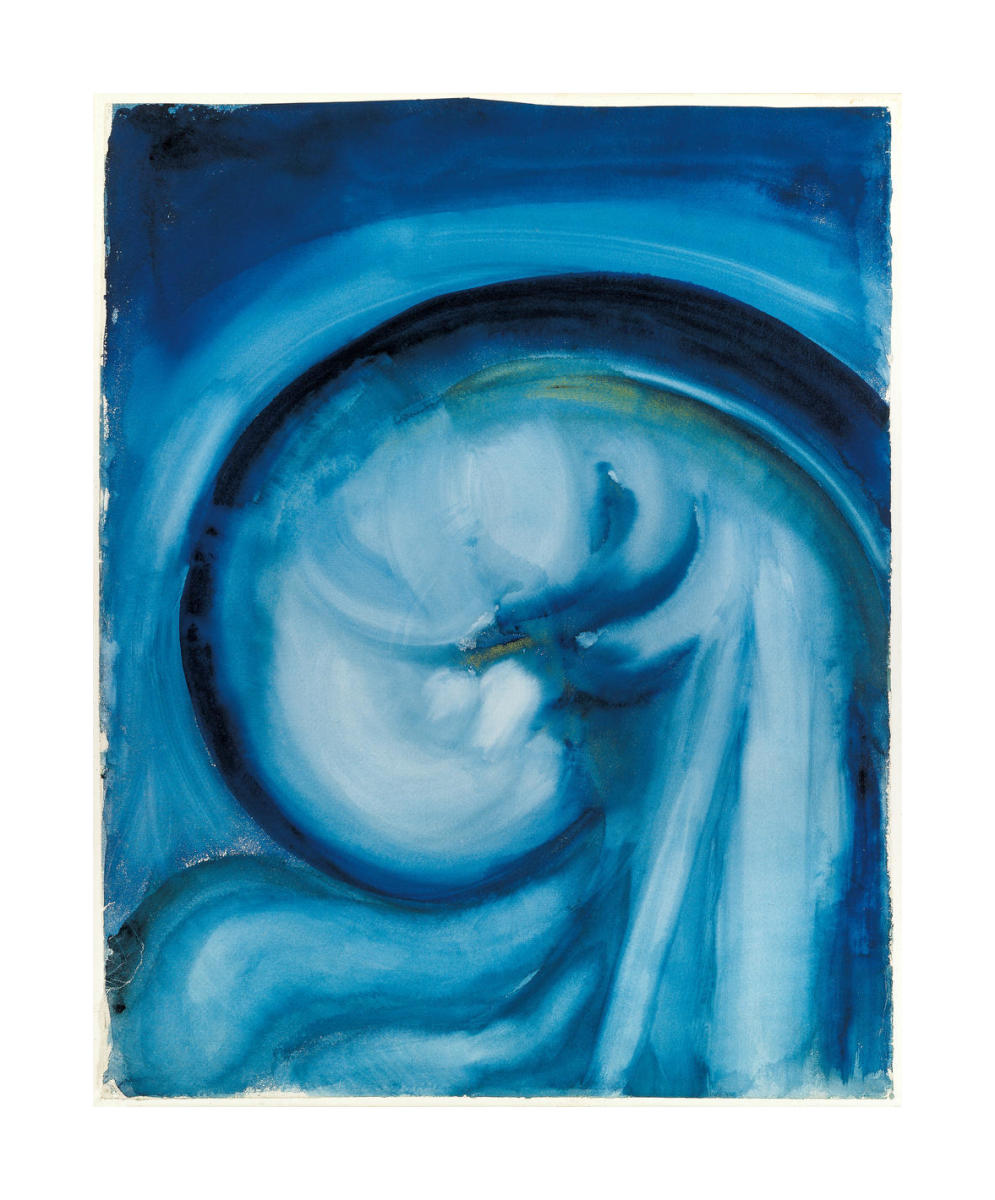
“With watercolors, Georgia O’Keeffe was… an intuitive, surprising artist, but choosing the right paper narrowed the range of outcomes without avoiding risk altogether. In 1916, she opted for a tissue-thin Japanese kind that warps with the slightest moisture. In the resulting quartet of ‘Blue’ watercolors, the paper looks like a desert, but the brushstrokes seem as fresh as rain… O’Keeffe exploited the contrast between materials to smoldering effect.” (You’ll find an example of one of O’Keeffe’s water colors at on-emotions.com)
Jackson Arn wrote those words in a New Yorker article this spring about the Georgia O’Keeffe show at MOMA, “To See Takes Time.”
“Exploited the contrast” is an interesting idea to apply to many aspects of our lives, including our emotions.
I grew up watching McEnroe and Borg play tennis and it was the contrast in emotions that fascinated many of us. McEnroe drew inspiration from his volatile personality, until it overwhelmed him and became harmful. Borg was perceived as supernaturally calm, but he kept all the pressure inside which led him to quit the game at 26.
When you think of your emotional habits and tendencies, what might happen if you explored and “exploited the contrast” for an hour, an afternoon, a day? For example:
If you’re typically calm, you tried to be excited.
If you’re typically measured, you tried on feisty.
If you’re typically quick-tempered, you tried on patience.
If you’re typically happy, you tried on melancholy.
If you’re typically sad, you tried on joyful.
What might the contrast reveal about yourself and your true range of emotions?
——
If you have been forwarded this email and would like to join a community of people pondering how to feel better in their lives you can subscribe and receive a daily email here.
 On Emotions