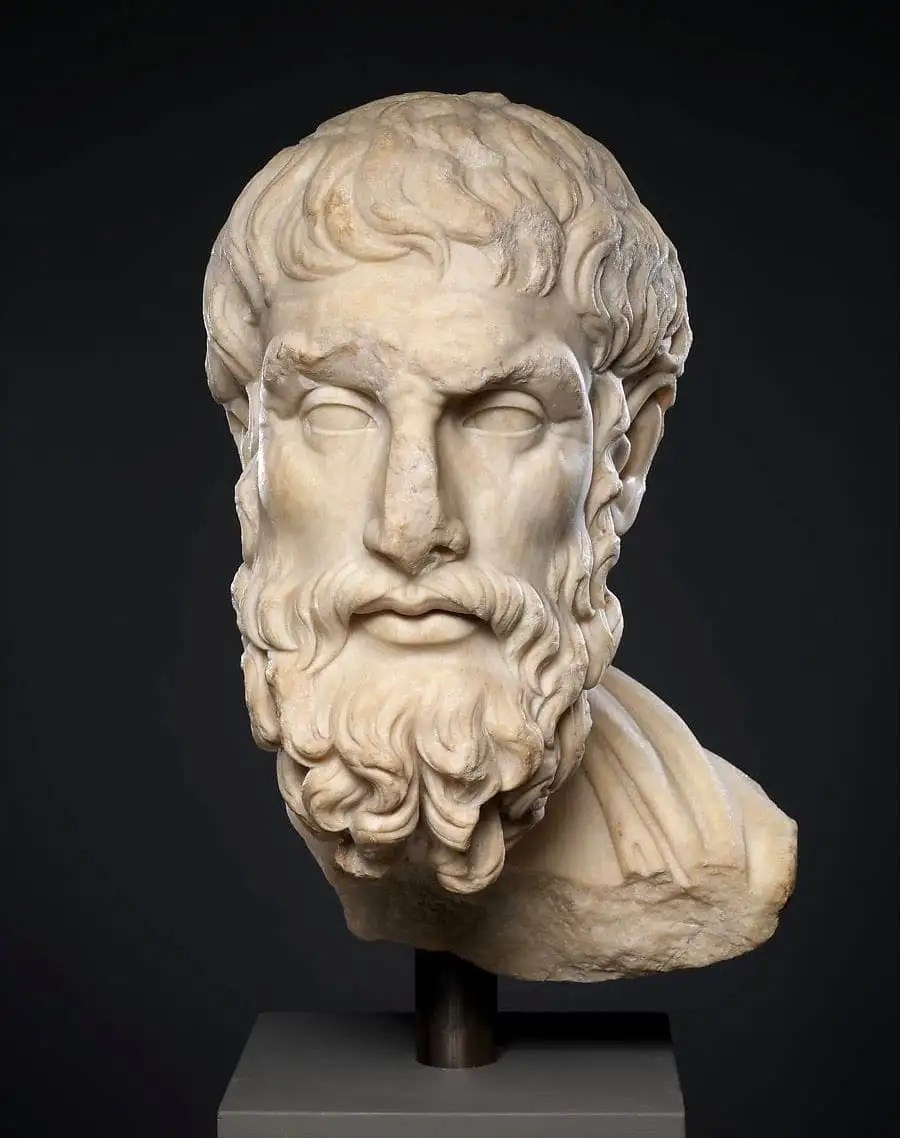
Do you know the difference between the Greek words hedonia and eudaimania? The first points us to “pleasure” and the second “purpose.”
There are two Greek philosophers who have become attached to these words.
The first is Epicurus (342-270 BC) who founded a school of thought called Epicureanism that taught happiness was essentially avoiding anything that created mental or physical pain. Epictetus (c. 50 – c. 135 AD), considered one of great Stoic philosophers, taught happiness is working to find our purpose in life and acting morally in that pursuit.
Hedonia and eudaimania, pleasure and purpose, are both complimentary and exclusive to each other. How we balance and devote time to each shapes our experience, definition, and expectation of happiness.
One way to think of this balance is in terms of hours. We all receive the gift of 168 hours in a week. If we subtract 49 for sleeping (7×7), 3hrs a day for eating (7×3), let’s say 45 for working, and 3 hours for chores, that leaves 50 hours for pleasure or purpose.
How will vou spend your 50? On pleasure or purpose? Both create happiness, just in different ways.
 On Emotions